
Palliative wound care: clinical management of symptoms and treatment goals
A clinical guide based on the European Wound Management Association (EWMA) 2025 recommendations on managing wound-related symptoms.
Jelena Kevrić · 12 min read
English translation of the original Croatian article; the Croatian version is authoritative. Educational content only — not individual diagnosis or treatment.
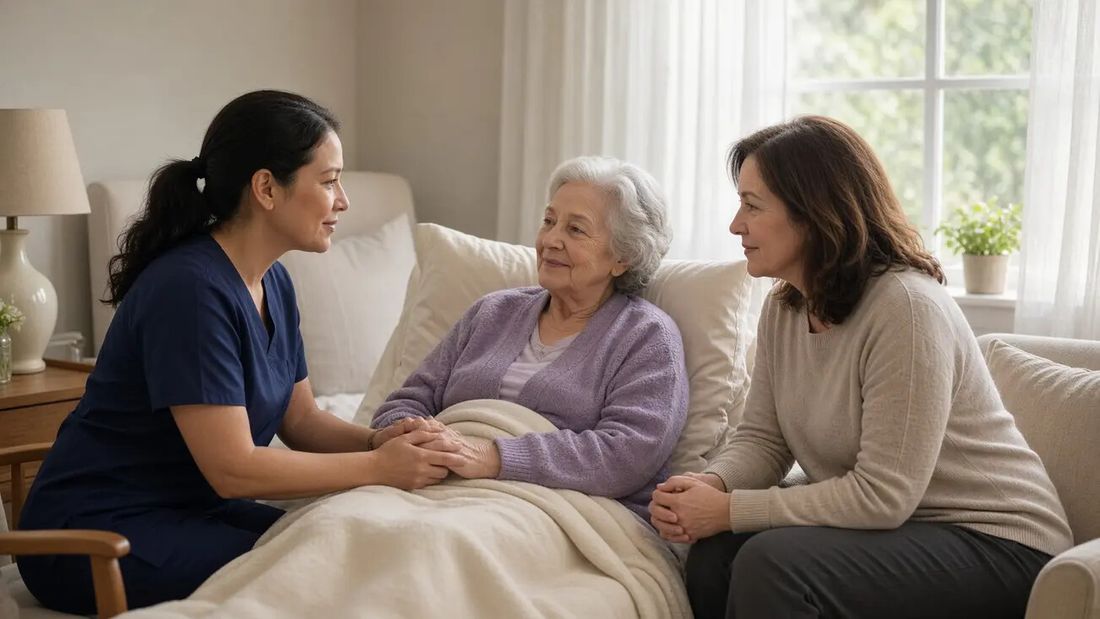
Palliative wound care focuses on relieving suffering, not solely on wound closure. A systematic plan controls symptoms and aligns treatment with the goals of the patient and family.
Palliative wound care does not mean giving up on care. It means aligning treatment goals with the overall clinical picture, the expectations of the patient and family, and available resources.
This article explains how to recognise when wound care has become palliative, which symptoms need to be controlled, how to select a dressing and how to prepare the family to provide care at home. The guidance is adapted to the Croatian healthcare system and available materials.
Key points
- Palliative wound care focuses on comfort, dignity and agreed goals, rather than solely on wound closure.
- Any new pain, sudden odour, change in exudate or bleeding requires diagnostic reassessment before a symptom-focused intervention.
- Dressing selection, change frequency and periwound skin care are tailored to the goal of care, not to a fixed schedule.
- Families and carers need a clear written plan, a contact for help and support to make care sustainable and safe.
What is palliative wound care?
Palliative wound care involves managing a wound when closure is not a realistic goal or when attempts to achieve healing would cause more harm than benefit. The aim is not to stop caring for the wound, but to change the measure of success. Rather than wound size, success is measured by reduced pain, exudate control, preservation of periwound skin, fewer interventions and maintenance of dignity.
Typical situations include malignant wounds, pressure ulcers in terminal illness, ischaemic wounds where amputation is inevitable, or overall disease progression with a steadily declining general condition. In these circumstances, aggressive debridement, negative pressure wound therapy (NPWT), surgical revisions and invasive procedures should be evaluated in light of the overall clinical picture, prognosis and the patient's wishes.
A palliative approach does not exclude hygiene, dressings or assessment. On the contrary, it requires even more thorough symptom assessment, because any intervention that offers no clear benefit adds to the burden on an already exhausted patient and family.
Clinical assessment before deciding on the goal of care
Assessing symptoms and the burden of care
The first step is a conversation with the patient and family. Ask what troubles them most: pain, odour, leakage, itching, bleeding, the frequency of dressing changes, fear, fatigue from procedures or costs. Record their answer and use it as the main indicator of success.
Assess the severity of the condition and the expected course of the disease. If life expectancy is short, every procedure must be quick, simple and readily accessible at home. In a long-term palliative situation, sustainability, cost and the availability of materials become more important.
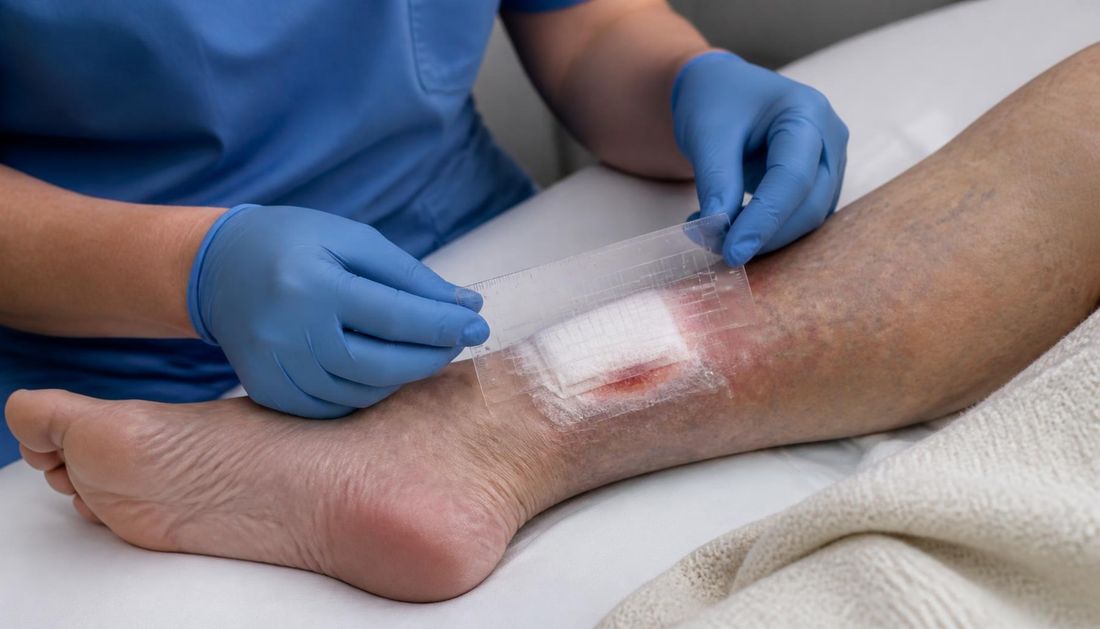
Examine the wound, but do not forget the periwound skin. Maceration, erythema or an allergic reaction to adhesive or tape may cause more suffering than the wound itself. In palliative care, the periwound skin should remain intact for as long as possible.

Differential diagnosis
Not every wound in a patient with severe illness is automatically palliative. Reversible problems must be distinguished from inevitable deterioration. For example, a sudden increase in pain and exudate may indicate an infection that can be treated with an antibiotic; black discolouration may represent dry necrosis that does not require an urgent procedure, but it may also be a sign of critical ischaemia.
Bleeding may be superficial, arising from granulation tissue or capillary networks, but it may also indicate erosion of a larger blood vessel. Odour may arise from an anaerobic infection requiring treatment, or from necrotic tissue that can be carefully removed without placing an overall burden on the patient.
| Aspect | Curative approach | Palliative approach |
|---|---|---|
| Main goal | Wound closure within a reasonable timeframe | Symptom relief and preservation of quality of life |
| Measure of success | Reduction in wound area and depth | Tolerable pain, less leakage, preserved skin, fewer interventions |
| Dressing selection | Optimal environment for healing | Minimal trauma, optimal symptom control |
| Frequency | According to the phase of healing | According to symptoms, exudate and the burden on the patient |
| Invasiveness | Debridement, NPWT, surgery when indicated | Only if the benefit clearly outweighs the burden of the procedure |
| Family involvement | Education for ongoing care | A plan, support, assistance and acknowledgement of carer burden |
Tablicu je na užim zaslonima moguće pomicati vodoravno.
Assessing bleeding and vascular supply
Wounds managed palliatively often bleed easily. Before selecting a dressing, establish whether the bleeding is life-threatening, requires emergency surgical intervention or can be managed with a dressing. If the wound is on a poorly perfused limb, moisture-retentive dressings may further compromise the tissue.
In a tumour with surface bleeding, the aim is to reduce bleeding without an invasive procedure. An alginate dressing, haemostatic dressings and gentle pressure may be sufficient. If bleeding becomes massive, a palliative approach does not mean inaction, but rapid, targeted intervention with an explanation to the family.
Symptom management
Pain at rest, during dressing changes and afterwards
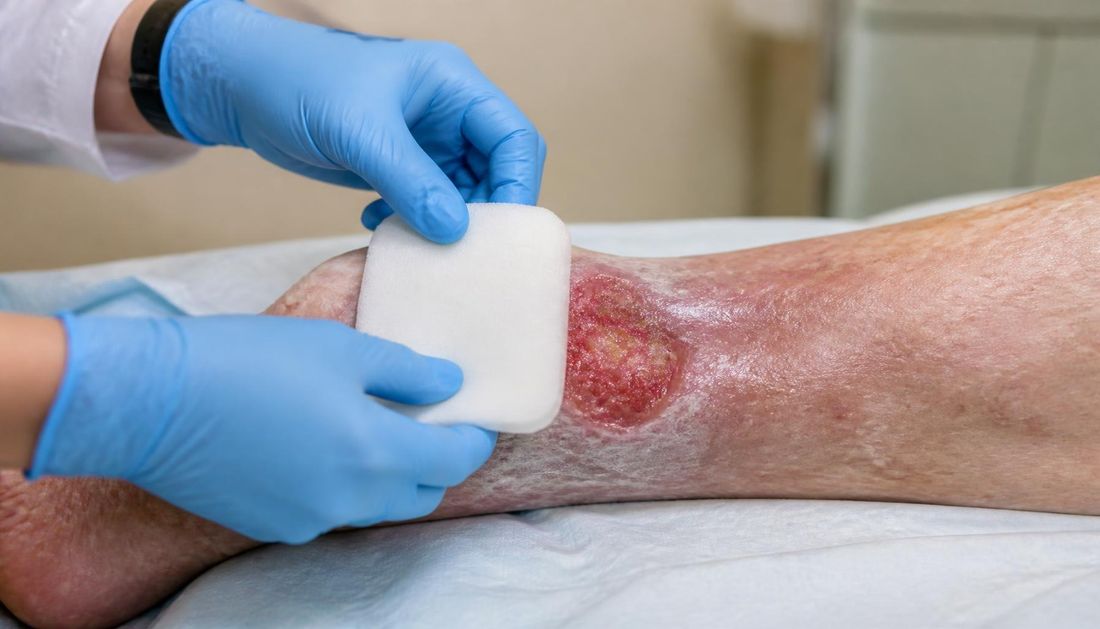
Pain is the most common and most severe symptom. Use regular analgesia, but do not overlook preventive measures during the dressing change itself. Before removing the dressing, slowly peel it back lengthways while gently supporting the periwound skin. If the dressing has adhered, soak it with normal saline or use an atraumatic dressing that does not adhere to the wound.
Assess pain using the same tool before, during and after dressing changes. This allows you to determine whether your technique is gentle enough and whether analgesia is adequate. In palliative care, pain during dressing changes is unacceptable and is considered to be substantially reducible through correct technique.
Opioids and non-steroidal anti-inflammatory drugs are often necessary, but they must not be the only measure. Combining them with local analgesia, a warm compress, positioning and a calm environment during the procedure can significantly reduce the need for stronger medication.
Exudate, fistulae and leakage
Exudate leakage may be the greatest source of stress for the patient and family. Select a dressing with sufficient absorbency to reduce the frequency of changes. Rather than choosing the most absorbent dressing available, choose one that retains exudate for the longest time, does not leak and does not irritate the skin.
A fistula, puncture wound or protruding stoma near the wound requires particular attention. Sometimes the best solution is to collect the output in a collection system rather than continually changing the dressing. Collaboration with a surgeon or stoma care nurse may be essential.
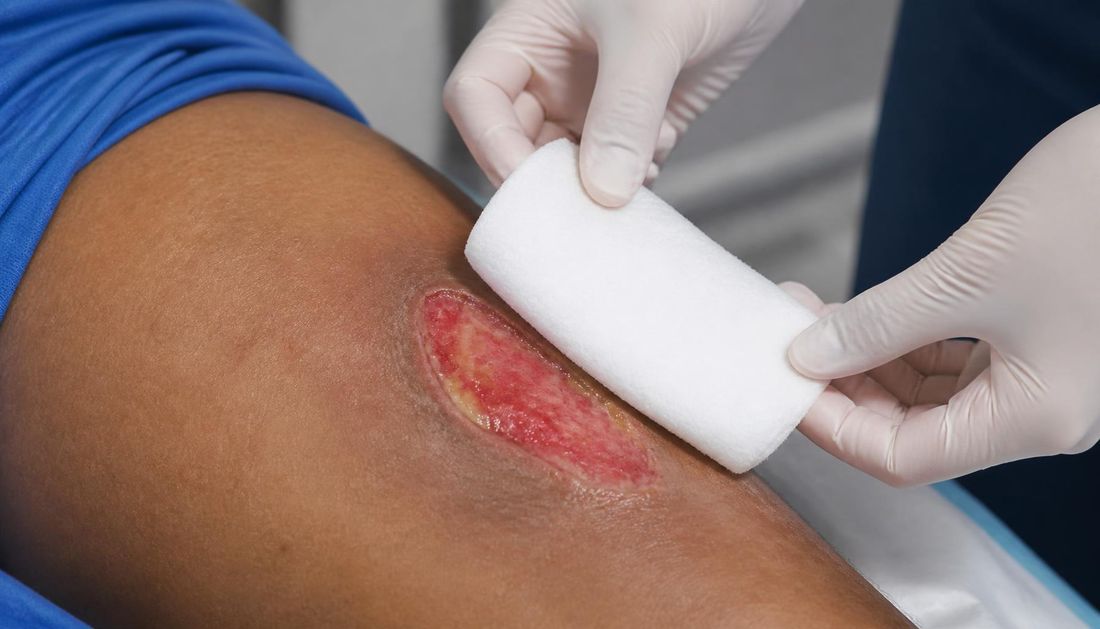
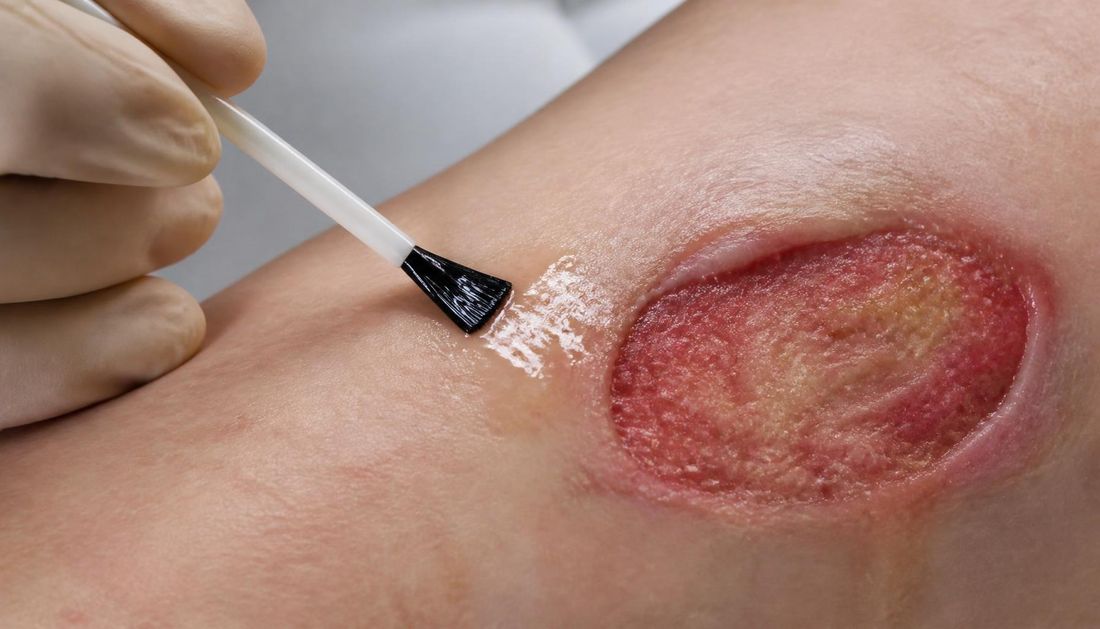
Odour most commonly arises from necrotic tissue or anaerobic bacterial colonisation. A mild, non-macerating antiseptic gel or hydrogel may help. Charcoal dressings can absorb odour molecules. It is important to explain to the family that odour is not a sign of poor care on their part, but of biochemical activity in the wound.
Planning for anticipated bleeding
Any wound managed palliatively may bleed unexpectedly. Give the family clear instructions: what to apply to the wound first, how long to maintain pressure and when to call for help. Consider the psychological dimension as well: witnessing bleeding can be very distressing for loved ones.
Itching and periwound skin
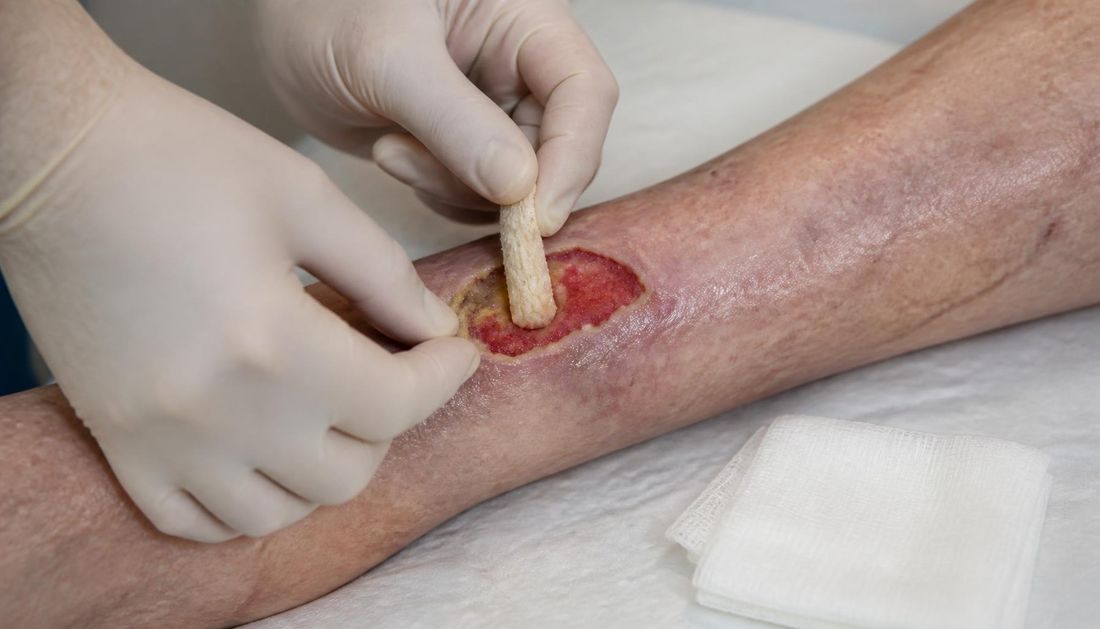
Itching in the wound area or periwound skin is common and often underestimated. It may be caused by an allergy to the dressing, dry skin, eczema or candidiasis. Rather than using a stronger corticosteroid, first try to reduce irritation: change the product, apply a protective film, keep the skin hydrated and allow it to breathe.
Dressing selection and techniques in palliative care
The aim of dressing selection is not to accelerate healing, but to reduce symptoms and make care easier. In practice, this means atraumatic removal, good absorbency, protection of the periwound skin, simple application and availability from a local pharmacy or distributor.
When and how to change the dressing
In palliative care, dressings are not changed according to a fixed schedule, but according to indications: leakage, displacement, pain, odour, contamination of the periwound skin or the patient's needs. If the wound is stable and symptom-free, extending the interval is reasonable and desirable.
Changing a dressing simply because it is 'time' often causes more pain and expense than benefit. Teach the carer to recognise the signs that a change is needed and how to perform it safely. Provide written instructions with a contact telephone number.
Postupak
Decision-making algorithm for a wound managed palliatively
- 1. korak: Assess the goal: Is wound closure a realistic expectation? If not, focus care on symptoms and dignity.
- 2. korak: Identify the dominant symptom: Pain, exudate, odour, bleeding and the condition of the periwound skin determine dressing selection.
- 3. korak: Select the least invasive dressing: Favour atraumatic, absorbent and skin-protective materials.
- 4. korak: Agree on an interval and a plan: Tailor the dressing change interval to symptoms, not the calendar. Prepare the family.
- 5. korak: Reassess after every change: If a symptom has worsened, reconsider the working diagnosis and the dressing.
Assessment checklist before a dressing change in palliative care
- The goal has been defined: healing, maintenance or comfort without expected closure.
- The patient has been asked which symptom troubles them most, and this priority has been recorded.
- Pain has been assessed using the same tool before, during and after the dressing change.
- Exudate has been described in terms of volume, colour, odour and leakage from the dressing.
- The periwound skin has been examined for signs of maceration, erythema or adhesive-related injury.
- Reversible causes of new pain, bleeding, itching or sudden odour have been considered.
- The family or carer knows when to call emergency services and when to contact the palliative care team.

Monitoring, education and family support
What the family needs to know before going home
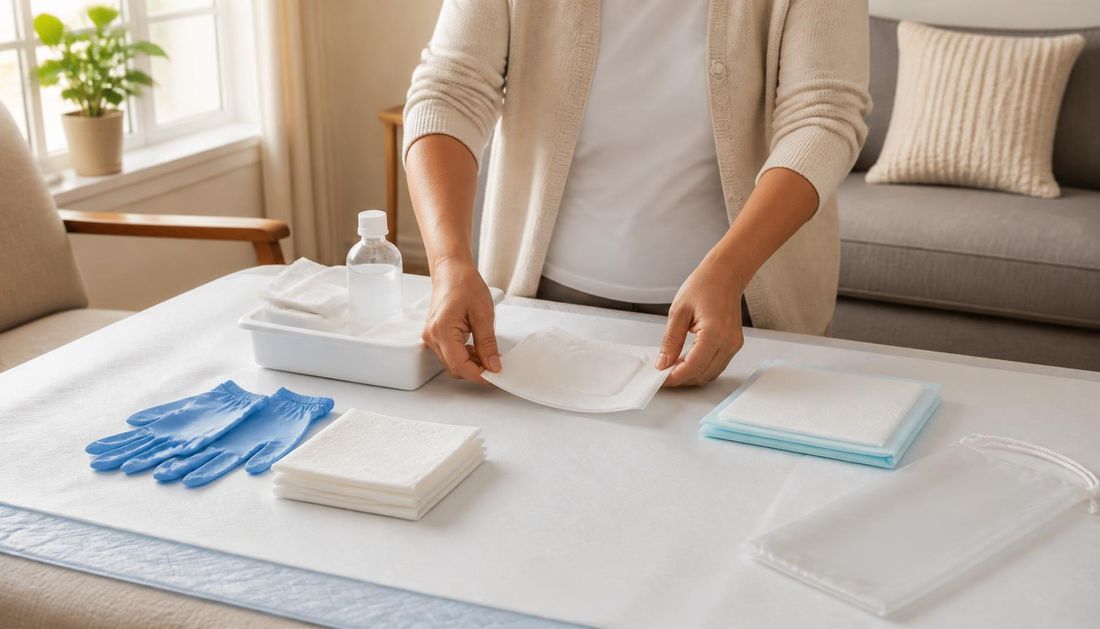
Before the patient goes home, give the family clear instructions. Explain which symptom is the priority, how to change the dressing, what to do if bleeding occurs, where to obtain supplies and whom to call. A good plan reduces anxiety and prevents unnecessary emergency interventions.
Demonstrate the procedure rather than simply describing it. Allow the carer to try it under your supervision. After several days of fatigue, written step-by-step instructions with telephone numbers are worth more than verbal advice.
When to call for help
The family must be able to distinguish between what can wait and what requires immediate intervention. Emergency assistance is needed for massive bleeding that does not stop, sudden swelling, altered consciousness, overt sepsis or unbearable pain. For all other concerns, there should be a designated contact: the community nursing service, palliative care team or general practitioner.
Do not overwhelm the family with detailed differential diagnoses. Give them a simple list of signs and actions. Confirm that they understand before they leave the clinic.
Preserving dignity
A non-healing wound can be a constant reminder of illness for the patient and family. Pain, odour and leakage can lead to withdrawal, shame and avoidance of social contact. Discuss this openly. Help them find ways to maintain normality: a properly applied dressing, a schedule of procedures that suits them, support at home and access to spiritual or psychological support.
Frequently asked questions
Česta pitanja
Is palliative care a sign of giving up?
No. Palliative care means shifting the priority to comfort, dignity and symptom control, often while continuing active care. The goals change, but care continues.
How often should dressings be changed in palliative care?
When there is a reason: leakage, pain, odour, displacement, bleeding or suspected infection. If the wound is stable, the interval can be extended to reduce the burden on the patient and carer.
How can wound odour be reduced at home?
Regular hygiene, removal of necrotic tissue if acceptable to the patient, charcoal dressings, good room ventilation and absorbent layers may help. It is important to explain to the family that the odour is not their fault.
What if the wound starts bleeding?
Apply clean gauze or a haemostatic dressing, apply gentle pressure and maintain it for about ten minutes. If the bleeding does not stop, is heavy or the patient becomes restless, call emergency services.
Should the wound still be debrided in palliative care?
Only if this will reduce pain, odour or the burden of care. Aggressive or painful debridement is not appropriate. Every procedure must have a clear, agreed goal.
When should the palliative care team be involved?
Early. The palliative care team can help with symptom management, communication, care planning and family support even while the disease is being actively treated.
Izvori
References
Popis izvora korištenih pri pisanju ovog članka.
1. izvor: Langemo DK, Black J. Pressure ulcers in individuals receiving palliative care: a National Pressure Ulcer Advisory Panel white paper. Adv Skin Wound Care. 2010;23(2):59-72.
DOI: 10.1097/01.ASW.0000363502.84737.c8
Otvori izvor (vanjska poveznica)2. izvor: Sibbald RG, Krasner DL, Lutz J. SCALE: Skin changes at life's end: final consensus statement. Adv Skin Wound Care. 2010;23(5):225-236.
DOI: 10.1097/01.ASW.0000363537.75328.36
Otvori izvor (vanjska poveznica)3. izvor: Woo KY, Krasner DL, Kennedy B, i sur. Palliative wound care management strategies for palliative patients and their circles of care. Adv Skin Wound Care. 2015;28(3):130-140.
DOI: 10.1097/01.ASW.0000461116.13218.43
Otvori izvor (vanjska poveznica)4. izvor: Alvarez OM, Kalinski C, Nusbaum J, i sur. Incorporating wound healing strategies to improve palliation (symptom management) in patients with chronic wounds. J Palliat Med. 2007;10(5):1161-1189.
DOI: 10.1089/jpm.2007.9909
Otvori izvor (vanjska poveznica)5. izvor: Tilley C, Lipson J, Ramos M. Palliative wound care for malignant fungating wounds: holistic considerations at end-of-life. Nurs Clin North Am. 2016;51(3):513-531.
DOI: 10.1016/j.cnur.2016.05.006
Otvori izvor (vanjska poveznica)6. izvor: Adderley UJ, Holt IGS. Topical agents and dressings for fungating wounds. Cochrane Database Syst Rev. 2014;(5):CD003948.
DOI: 10.1002/14651858.CD003948.pub3
Otvori izvor (vanjska poveznica)